
Making Room for Grief
When Grief Does Not Follow the Stages
Grief often does not follow the famous stages in order, and that is normal. You may feel acceptance one morning and anger by dinner, or feel almost nothing for weeks and then fall apart in the cereal aisle. The stages were never meant as a timeline you must complete. Grief tends to come in waves shaped by the relationship, the circumstances of the loss and the support around you.
There Is No Correct Timeline
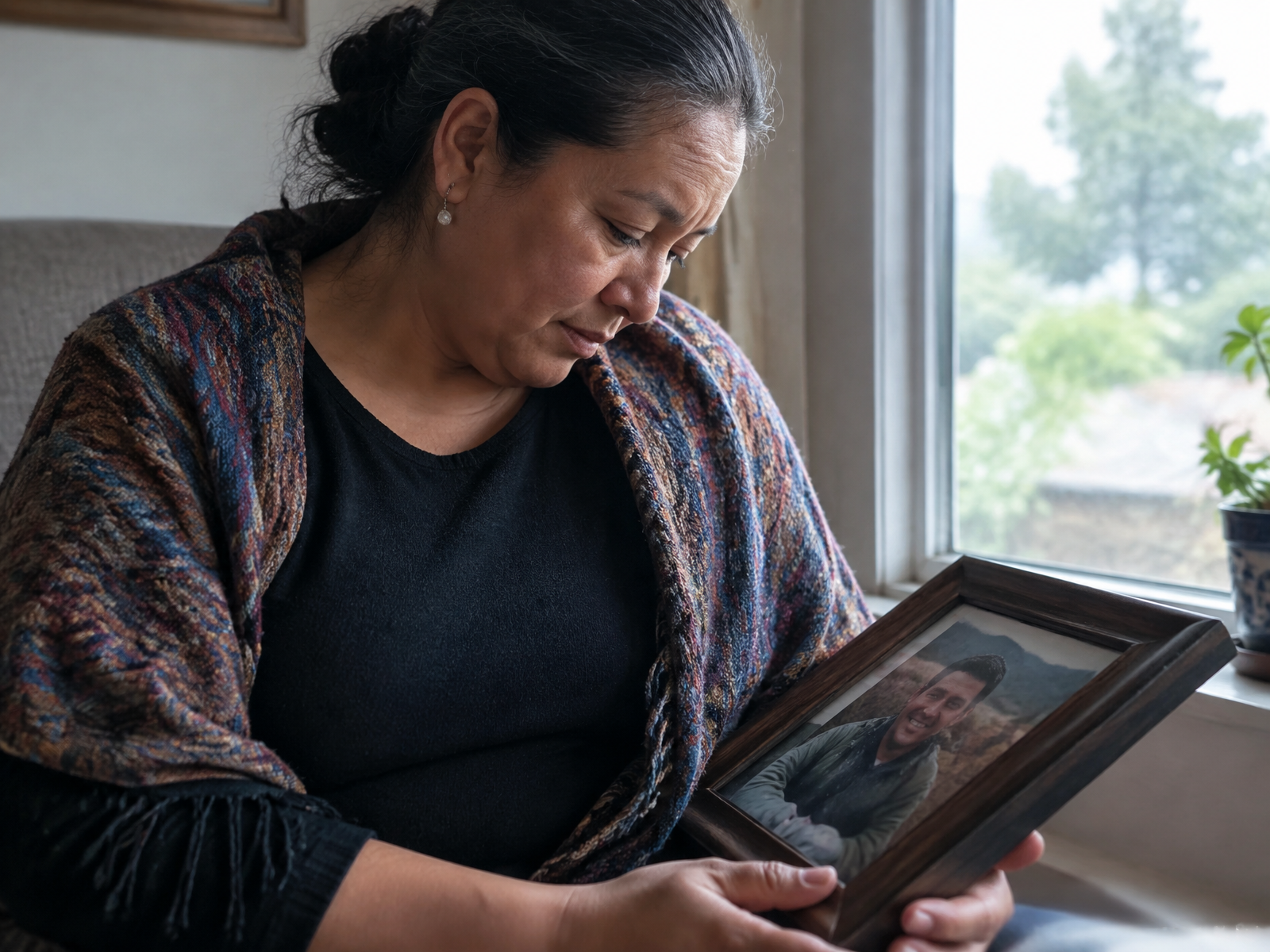
Friends may expect you to be doing better after a few months, and you may expect it of yourself. Yet many people find the second year harder than the first, once the casseroles stop and the shock wears off. Some losses are also less recognized, such as a miscarriage, a friend, a pet, an estranged parent or the person someone was before an illness. Grief like this can feel lonely because others do not know to check on you. How long you grieve says more about love than about coping.
Triggers and Changing Seasons
A song on the car radio, the smell of your mother's perfume on a stranger or the first holiday without your partner can bring a sudden wave. Birthdays, anniversaries and the date of the loss often stir strong feelings even years later. Planning ahead can help: deciding how you want to spend a hard day, who you want nearby and whether you want a small ritual such as lighting a candle, cooking a favorite recipe or visiting a meaningful place. Waves still come, but you meet them less surprised. Grief also shows up in the body. You may feel exhausted, forget where you put your keys, lose your appetite or find it hard to concentrate at work. Some people feel restless and need to keep busy; others can barely get off the couch. These reactions are common, especially in the early months. Being gentle with yourself about productivity, and letting a coworker or friend know what you are facing, can make those days a little more manageable.
Carry the Bond in Your Own Way
Grief is not only about letting go. Many people keep a continuing bond with the person they lost, talking to them, writing letters or carrying forward a value they taught. You might keep your grandmother's garden going or share your brother's jokes with your children. You can also have moments of laughter, relief or new plans without betraying anyone. Holding sorrow and life side by side is not a sign that you are finished grieving; it is one way grief changes over time. Support can look different for everyone. Some people find comfort in grief groups, others in quiet walks, journaling or talking with one trusted friend. Your family members may grieve in very different ways, which can create tension, such as one person wanting to keep photos up and another needing them put away. Allowing those differences, and talking about them openly, can help everyone carry the loss without feeling judged for how they mourn.
Questions to Ask Yourself
What do you miss most, and what do you not miss? Which moments of the day are hardest? Are there parts of the story you have not told anyone? Do you feel pressure to be further along than you are? What would honoring this person look like for you, rather than for others? You do not have to answer these alone. Sometimes simply saying the name of the person you lost, out loud to someone who listens, brings a small measure of ease.
When It May Help to Talk to Someone
Please reach out if grief is making daily life feel impossible, if you feel hopeless or if you have thoughts of wanting to join the person you lost. If you are in crisis or worried about immediate safety, call or text 988 for the Suicide and Crisis Lifeline, or call 911. In therapy we can make space for the full story of your loss, including complicated feelings, and find ways to carry it that fit you. I work with adults across Maryland by video Monday to Friday. A free consultation lets you share a little and decide whether this feels like the right support.
Practical Focus
What We Can Work On
- Making room for waves of grief
- Preparing for anniversaries and holidays
- Keeping a bond with the person you lost
- Speaking about complicated or unrecognized loss
Keep Exploring
Related Pages


Your Next Step
Ready to put yourself on the list?
Start with a free consultation. Therapy is available by secure video for adults located in Maryland.
Book a Free Consultation